By the book, in order.
Seven stages from a standing structure to excavated ground. Each one is signed off before the next starts, and you get the documents as we go.
Get a quoteDemolition in NSW is regulated work. Licences, five-day notifications, clearance certificates and waste classification are not paperwork we do at the end. They set the order the job runs in. Here is that order, and what you hold in your hand at every step.
What we work to
WHS Regulation 2017 (NSW)
Sets the licensing, notification and clearance rules for demolition and asbestos work, and the safe work method statements for high-risk construction work.
SafeWork NSW Code of Practice: Demolition work
The approved method for planning and carrying out demolition in NSW, from the work plan to the sequence of the take-down.
AS 2601 The demolition of structures
The Australian Standard the work plan is written to, covering structural assessment, sequence, protection of the public and adjoining property.
NSW EPA Waste Classification Guidelines
How every load of spoil and demolition waste is classified before it leaves site, so it goes to a facility licensed to accept it.
The seven stages
What happens, what you receive, and the NSW framework behind each stage.
Approvals and work plan
Demolition needs development consent from council or a complying development certificate under the Demolition Code before anything starts. We inspect the site, prepare the demolition work plan required by AS 2601 and the safe work method statements for high-risk construction work, and arrange dilapidation reports on adjoining properties where consent conditions call for them.
You receive
- Demolition work plan
- Safe work method statements
- Dilapidation reports
Framework
- SEPP (Exempt and Complying Development Codes) 2008
- AS 2601 The demolition of structures
- WHS Regulation 2017 (NSW), cl. 299
Hazardous materials survey
A hazardous materials survey identifies asbestos, lead paint, synthetic mineral fibre and other hazards, and the asbestos register is kept on site. The findings set the removal scope, so the price reflects what is actually in the building rather than what was assumed.
You receive
- Hazardous materials survey
- Asbestos register
Framework
- WHS Regulation 2017 (NSW), Part 8.3
- SafeWork NSW Code of Practice: How to manage and control asbestos in the workplace
Notifications and permits
Licensed demolition work and licensed asbestos removal are each notified to SafeWork NSW at least five days before they start. Hoarding and footpath permits come from council, a road occupancy licence from Transport for NSW where a state road is affected, and a traffic management plan covers deliveries and truck movements. Neighbours are told the dates in writing.
You receive
- SafeWork NSW notification receipts
- Hoarding and road permits
- Traffic management plan
Framework
- WHS Regulation 2017 (NSW), cl. 142 and cl. 466
- Roads Act 1993 (NSW), s. 138
Disconnections and make safe
Electricity is abolished at the pole or pillar, gas and water are disconnected at the main, and telecommunications are removed. A Before You Dig Australia enquiry locates underground services before any ground is broken. Hoarding, fencing, signage and site inductions are in place before the first machine arrives.
You receive
- Disconnection certificates
- Before You Dig Australia plans
- Site induction records
Framework
- Service Installation Rules of NSW
- Before You Dig Australia
Asbestos removal and clearance
Asbestos is removed by licensed removalists inside controlled areas, with air monitoring where the work requires it. Waste is wrapped, labelled and taken to a facility licensed to accept it. An independent licensed asbestos assessor inspects the area and issues a clearance certificate before demolition begins.
You receive
- Clearance certificate
- Air monitoring results
- Asbestos waste disposal dockets
Framework
- WHS Regulation 2017 (NSW), cl. 473
- Protection of the Environment Operations (Waste) Regulation 2014
Demolition
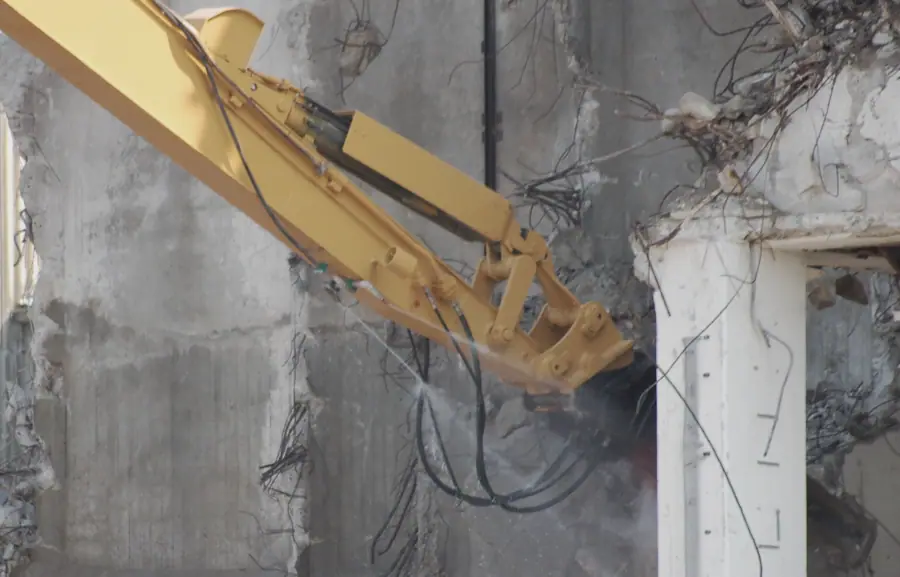
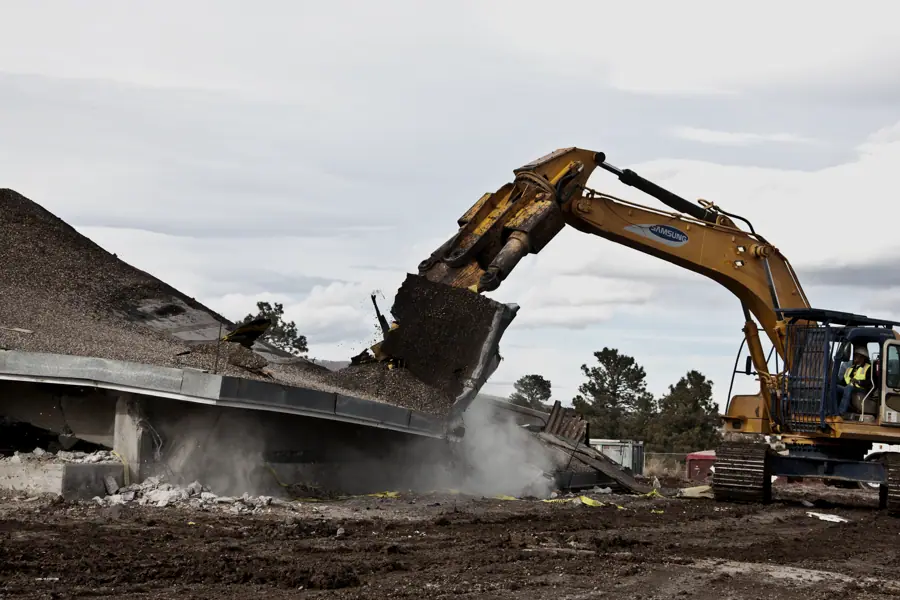
The structure comes down in the order set out in the work plan, with exclusion zones held and dust suppressed. Concrete, brick, steel and timber are separated as they come down so they can be recycled. Every load leaving site is classified and recorded.
You receive
- Daily site records
- Waste dockets and recycling records
Framework
- SafeWork NSW Code of Practice: Demolition work
- NSW EPA Waste Classification Guidelines
Excavation, remediation and hand-over
Bulk and detailed excavation follows to the engineer's levels, staged around the shoring design. Spoil is classified before it leaves site. Where the site is contaminated, works follow the remedial action plan with the environmental consultant validating as we go. The builder receives a level site and a complete document pack.
You receive
- Waste classification reports
- Validation support for the consultant
- Hand-over document pack
Framework
- NSW EPA Waste Classification Guidelines
- Contaminated Land Management Act 1997 (NSW)
The hand-over pack
Everything the certifier, the builder and the next owner will ask for, in one folder on the day we leave.
- Demolition work plan
- Safe work method statements
- Dilapidation reports
- Hazardous materials survey
- Asbestos register
- SafeWork NSW notification receipts
- Hoarding and road permits
- Traffic management plan
- Disconnection certificates
- Before You Dig Australia plans
- Site induction records
- Clearance certificate
- Air monitoring results
- Asbestos waste disposal dockets
- Daily site records
- Waste dockets and recycling records
- Waste classification reports
- Validation support for the consultant
- Hand-over document pack
Start at stage one.
Send the address and what needs to come down. We'll come back with a scope, a program and a price.